
Carrier Furnaces: Repair, Replace, or Maintain?
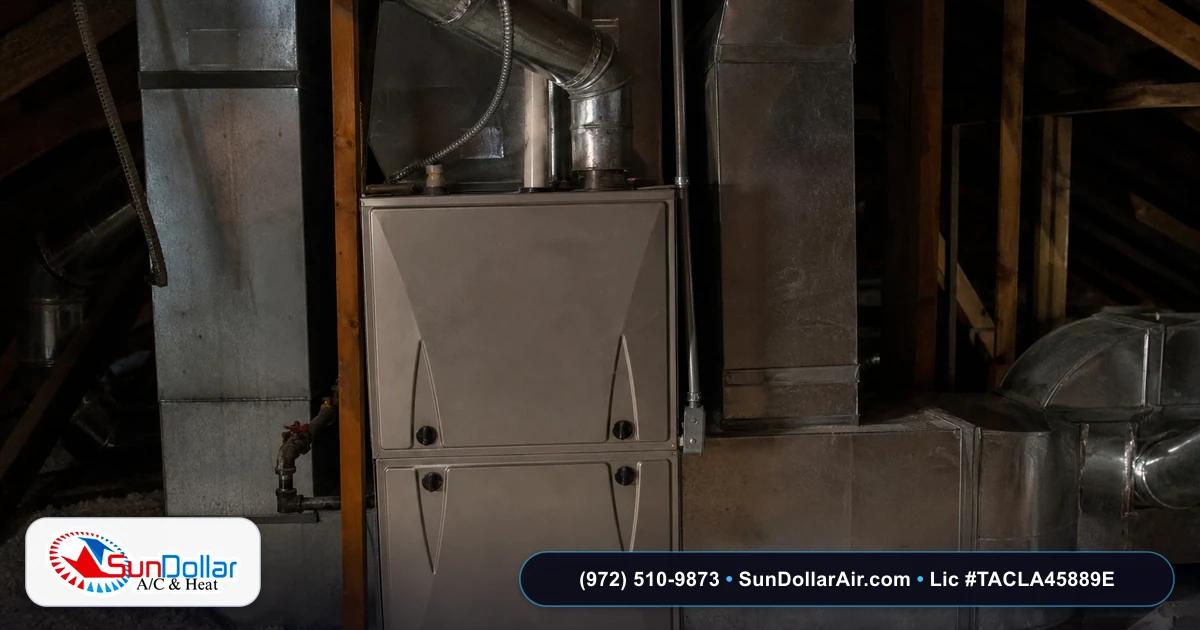
A furnace problem always seems to show up at the worst time: on a cold morning, before guests arrive, or when the whole family is trying to get out the door. If your home has a Carrier furnace, the good news is that many issues can be repaired without replacing the entire system. The key is getting a clear diagnosis before anyone starts talking about a new unit.
Carrier furnaces have a strong reputation for dependable heating, but no furnace is maintenance-free and no brand is immune to normal wear. A homeowner deserves a straight answer about what failed, what the repair will cost, how long the repair is likely to last, and whether replacement truly makes financial sense.
How Long Do Carrier Furnaces Usually Last?
A well-maintained gas furnace can often serve a home for 15 to 20 years, sometimes longer. Actual life expectancy depends on the model, installation quality, annual service history, filter changes, thermostat settings, and how hard the equipment has had to work through North Texas weather.
Age alone should not decide whether to replace a furnace. A 14-year-old furnace with a straightforward ignition repair may have plenty of useful life left. On the other hand, a younger system with repeated major failures, poor installation issues, or a damaged heat exchanger needs a closer look.
The honest approach is maintenance first, repair second, and replacement last. That means fixing a repairable problem when the repair is sensible, rather than treating every service call as an equipment sales opportunity.
Common Carrier Furnace Problems Worth Repairing
Many heating calls involve a single failed component, not a failed furnace. A technician should inspect the system, explain the finding in plain language, and provide clear pricing before work begins.
Ignition and flame sensor problems
Modern furnaces use electronic ignition components instead of standing pilot lights. When an igniter wears out or a flame sensor becomes dirty or weak, the furnace may start a heating cycle but fail to stay running. You may hear the system attempt to start, then shut down shortly afterward.
These are common service issues and are often repairable. The right repair depends on the condition of the part and whether there are other underlying causes, such as airflow restrictions or drainage issues.
Blower motor and capacitor issues
The blower moves warm air through the home. If it is not operating correctly, you may notice weak airflow, unusual noises, rooms that do not heat evenly, or a furnace that shuts down on safety limits.
A capacitor, motor module, or blower motor may need attention. Costs vary based on the furnace model and the failed part, so this is a situation where diagnosis matters. Replacing a smaller electrical component is very different from replacing an entire motor.
Pressure switch, venting, or drainage concerns
High-efficiency Carrier furnaces use safety controls to confirm that combustion gases are venting properly. A pressure switch issue, blocked condensate line, venting concern, or inducer motor problem can prevent the furnace from starting.
Because these parts are tied to safe operation, they should not be guessed at. A qualified technician needs to identify why the safety control is stopping the cycle. Sometimes the switch itself is at fault. Other times, the switch is doing its job by responding to a separate problem.
Thermostat and electrical faults
A furnace that will not respond to a thermostat can look like a major equipment failure when the issue is actually a control, wiring, battery, or electrical connection problem. The same is true for a tripped safety switch or a weak connection at the furnace.
This is why a complete diagnostic process protects homeowners. It prevents money from being spent on the wrong repair and avoids replacing equipment that can still be reliably restored.
When Carrier Furnaces May Need Replacement
Replacement becomes a practical conversation when repairs no longer offer good value, reliability, or safety. It should not be a scare tactic. It should be a decision based on the condition of your specific furnace and your plans for the home.
A cracked heat exchanger is one of the most serious concerns. The heat exchanger separates combustion gases from the air moving through your home. If it is damaged, the furnace should be evaluated carefully and taken out of service when safety requires it. Depending on warranty coverage, the model, and the overall condition of the system, replacement may be the responsible path.
Frequent breakdowns are another sign to look at the bigger picture. One repair is normal. Several unrelated repairs in a short period, especially on an older furnace, can mean the system is entering the stage where replacement costs deserve consideration.
High utility bills can matter too, but efficiency alone does not always justify replacement. If a furnace heats the home evenly, has been dependable, and needs a minor repair, keeping it may be the most cost-conscious choice. If it is inefficient, unreliable, and approaching the end of its expected service life, a newer properly sized furnace may offer better comfort and lower operating costs over time.
What to Expect From an Honest Furnace Diagnosis
A dependable furnace service visit should leave you with answers, not pressure. The technician should inspect the furnace operation, safety controls, airflow, ignition sequence, electrical components, and any visible signs of wear. They should explain what they found without burying you in technical terms.
Before approving work, ask a few direct questions: What part failed? Is the furnace safe to operate? Is this repair likely to address the full problem? What other components show signs of wear? How does the repair cost compare with the realistic value of replacement?
There is no single repair-versus-replace rule that fits every home. A family planning to stay in the house for many years may weigh efficiency and long-term reliability differently than a homeowner preparing to sell. Budget matters. Warranty coverage matters. The condition of the cooling equipment may matter if the furnace shares components with the air conditioning system.
What should not change is the need for clear options. You should be able to choose a repair with confidence when it is the sensible path, and choose replacement only when the numbers and condition of the equipment support it.
Maintenance Helps Protect Your Carrier Furnace
Annual heating maintenance is one of the simplest ways to catch small concerns before they become no-heat emergencies. During a professional visit, the furnace can be checked for safe operation, proper ignition, airflow concerns, electrical wear, drainage issues, and filter-related restrictions.
Homeowners can also help by using the correct filter type and changing it on schedule. A clogged filter can restrict airflow, raise operating stress, and contribute to safety shutdowns. If you notice new banging, squealing, burning odors, short cycling, cold air from the vents, or a sudden jump in heating costs, schedule service before the problem grows.
Maintenance cannot guarantee that a part will never fail. It can, however, reduce avoidable strain and give you a better picture of your furnace's condition before the coldest day of the season puts it to the test.
A Repair-First Way to Handle Furnace Trouble
When your Carrier furnace stops heating, fast service matters. So does getting an answer you can trust. At SunDollar A/C & Heat, the goal is to identify the actual problem, explain the practical options, and help you make a decision without the runaround or unnecessary upsells.
A working furnace is not just a piece of equipment. It is the comfort your family counts on when temperatures drop. Start with an honest diagnosis, keep up with routine maintenance, and make replacement a thoughtful decision rather than a rushed one.
Local HVAC Repair & Tune-Ups in Terrell, Kaufman & Forney, TX
Terrell, TX (Kaufman County): Terrell sits right in Kaufman County — quick dispatch times and local technicians who know the area. From historic homes near Griffith Ave to newer communities along I-20, Hwy 80, and Poetry Road, we service them all.
Stop Paying for Preventable Breakdowns — Cover Every AC Unit at Your Home for $19.85/mo
Our $19.85/mo Access Comfort Care Agreement covers EVERY residential HVAC unit at your address (Spring & Fall 10-step tune-ups, Priority heatwave/freeze dispatch, 10% off repairs & 10-yr OEM warranty protection). Need immediate help? Every repair includes Free Diagnostics with Repair ($85 standalone if repair is declined) and $0 Free Second Opinions on competitor replacement quotes.